
The Molecule in the Mirror: Can DNA Predict Your Future?
Can Your DNA Predict Your Future?
What can polygenic risk scores tell us about ourselves? What can CRISPR do about it? And when is your Bio paper due?
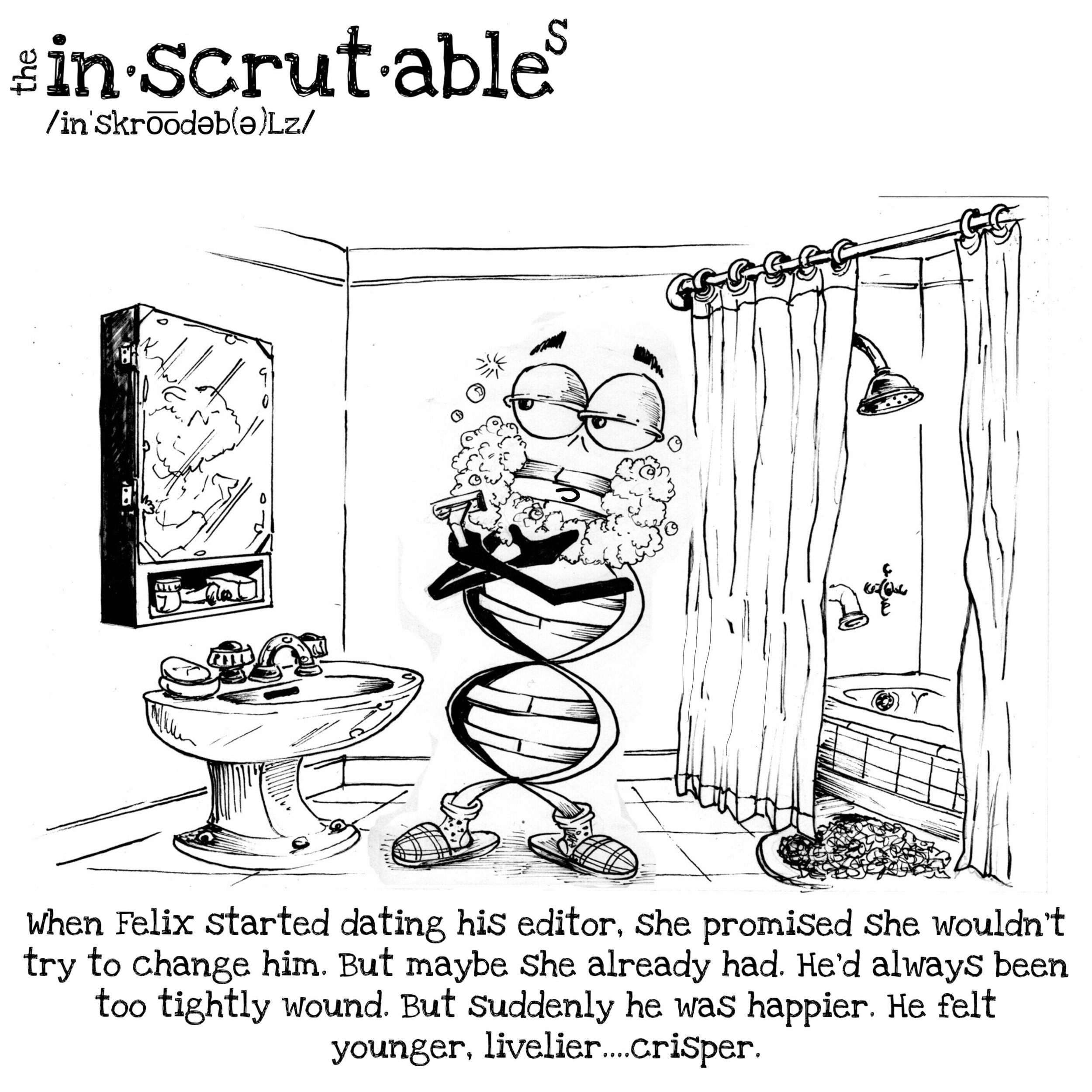
Editor’s Note: So lately Jenny from Ad sales has been cold calling every life science and biotech company she can find to try and drum up some sponsorship business. She’s focused on this area because we’ve got a pretty large comic catalog of DNA molecules, mad scientists, etc. Long story short, we’ve ended up with an office full of DNA kits, diagnostic kits, defibrillators & home blood tests. Even longer story short, it turns out Inky is not as Irish than he thought, and Jenny is much more pregnant than she thought. So congrats to both, I guess. Inky is actually more Sardinian and French Basque, and now has to reassess his “Erin go Bragh!”tattoo and affinity for Guinness and Gaelic football, and Jenny is converting her home office into the baby’s room, so not sure where she’s going to Zoom from as she keeps shaking down 23andMe while eating for two, but it won’t be from there.
The sponsorships are for a new idea Edith had about using some of Artie’s franchise characters (you may recall Felix the Double Helix, who appeared briefly last year) to teach high school science through comics. Inky says there’s a market opportunity here because places like Coursera, Linda and Masterclass are too hard for kids to plagiarize and they need something more accessible to copy and paste. When I questioned the ethics of this, he pointed out that I’ve been posting AI-generated content all week, so I didn’t have much to say after that. Also, all my recent experimenting with AI and machine learning writing engines has shortened the posting process to about 7 minutes per installment. Which is good because while Jenny’s out on maternity leave, I’ll be picking up Ad Sales too. Anyway, please enjoy this overview of recent trends in molecular biology. Hope you learn something! -Ed.
So…can Your DNA Predict Your Future?
Maybe. Sort of.
Hmm. That’s not super helpful for my Bio paper. I feel click-baited. Explain.
Polygenic risk scores (PRS) are a relatively new tool that scientists are using to try to better understand the role of genetics in disease. PRSs are calculated using a person’s DNA information and can be used to predict that person’s risk for developing a specific disease or condition. While PRSs are not perfect, they are becoming increasingly accurate as more and more research is done in this area. So, what do polygenic risk scores tell us about ourselves and our future health? Let’s take a closer look.
OK, that’s a pretty good opening paragraph for AI. Tell me more.
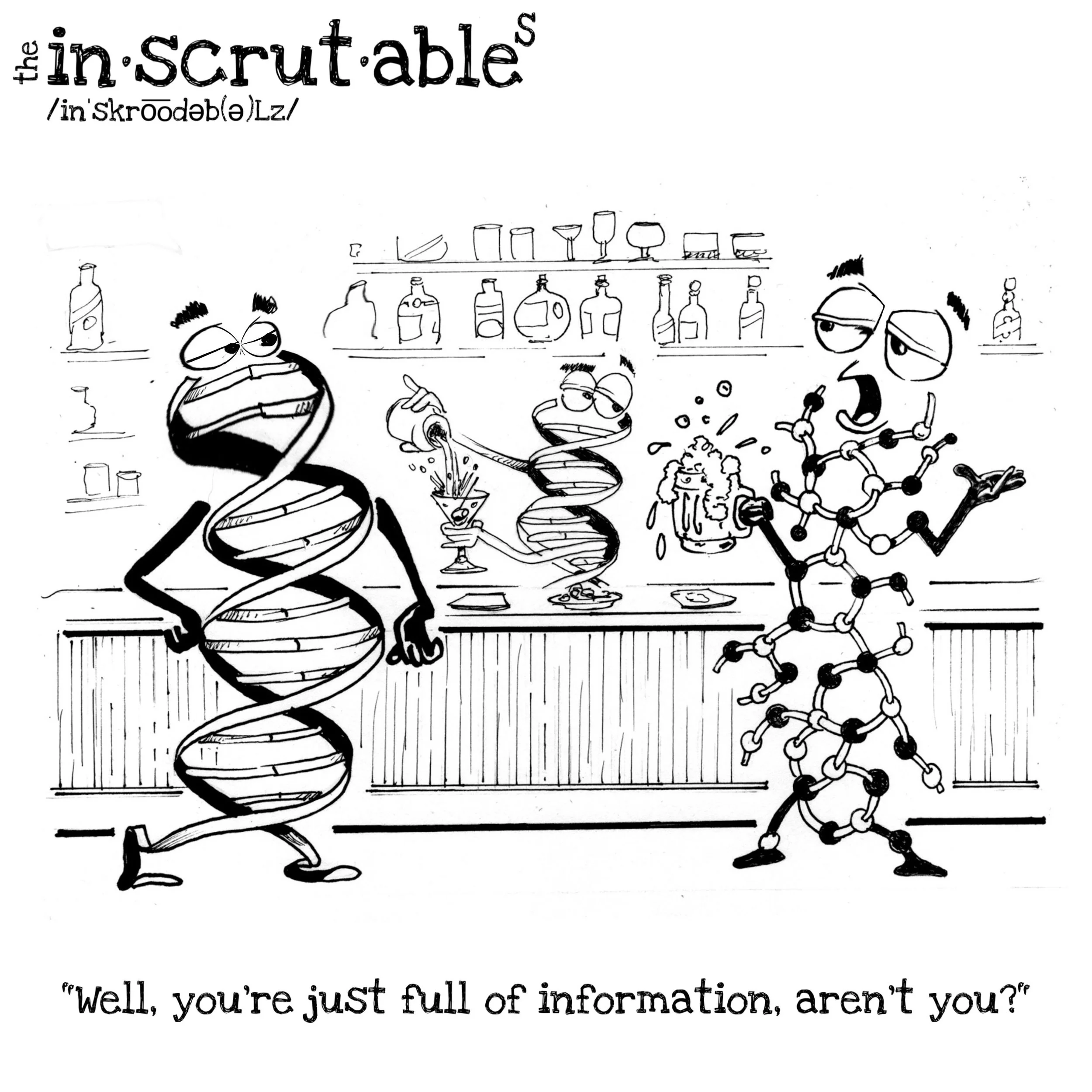
Thanks. PRSs are based on the principle of “mass action,” which states that the effect of many genes working together (in concert with environmental factors) is greater than the sum of their individual effects. In other words, multiple small genetic effects can have a large overall effect. Calculating a PRS begins with collecting data from people who have already been diagnosed with the disease or condition in question. Scientists will then compare the DNA of these individuals to the DNA of people who do not have the disease or condition. By doing this, they can identify which genetic variants are associated with an increased risk for the disease or condition. They can also weigh these variants according to how big of an effect they have; variants that have a bigger effect will be given more weight in the calculation of the PRS.
What is the point of living if the future is knowable and inescapable?
Slow down. Polygenic risk scores are not perfect, but they are becoming increasingly accurate. When used appropriately, they can be helpful in identifying individuals who may be at an increased risk for developing a certain disease or condition. This information can then be used to help those individuals make informed decisions about their health and wellbeing. For example, someone with a high PRS for type 2 diabetes may choose to make lifestyle changes (e.g., diet and exercise) to help lower their risk for developing the disease.
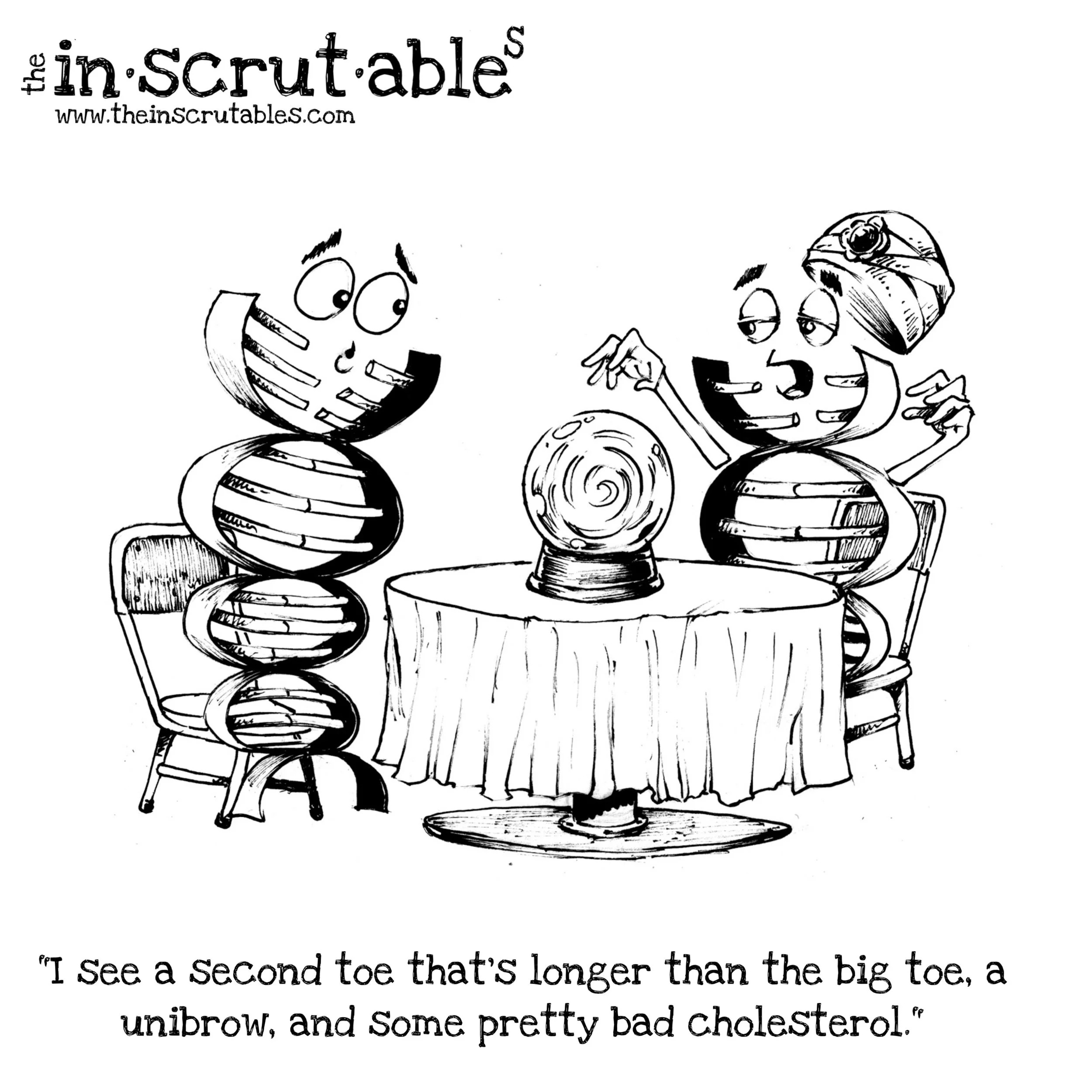
So Polygenic risk scores represent a new and exciting way to use DNA to predict someone’s likelihood of developing a disease later in life. Although more research is needed to determine all of the ways in which polygenic risk scores can be used, there is no doubt that this technology has great potential for diagnosing our health and well-being.
But now I suppose you’d like to know what to do with that information?
Yes, Please. I have a B- at the moment, and this paper is like 40% of the final grade.
Enter CRISPR
How do I look in these genes?
Ha. Clever.
CRISPR is a gene editing tool that has been making waves in the scientific community ever since its discovery in 2012. By allowing scientists to make very precise edits to DNA, this powerful tool has the potential to change the way we approach, and possibly cure, diseases, and it has already been used to successfully treat several conditions in animals.
Do you and CRISPER hang out?
No. I’m binary code. CRISPR (Clustered Regularly Interspaced Short Palindromic Repeats) is a type of RNA that helps bacteria defend themselves against viruses. The CRISPR sequence provides immunity against viruses by storing a copy of the viral DNA. When a virus infects a bacterium, the CRISPR sequence is used to identify and destroy the viral DNA. The Cas9 protein is able to cut DNA, and when it is paired with CRISPR, it can be used to target specific genes. This makes it possible to make changes to the genome of an organism.
So can CRISPR cure diseases?
The short answer is yes. CRISPR can be used to cure diseases by editing the genes that are responsible for causing the disease. For example, if a disease is caused by a mutation in a single gene, CRISPR can be used to edit that gene and correct the mutation. This technique has been used to successfully treat several genetic diseases in animals, and it is currently being tested in clinical trials for human patients.
Ok, that’s good. Still need some more deets for this bio paper.
Delivering the CRISPR sequence into cells is accomplished using a technique called Crispr-Cas9. Cas9 is an enzyme that can cut DNA at specific locations. The guide RNA directs Cas9 to the correct location on the DNA strand. Once Cas9 makes its cut, the cell’s repair mechanisms are used to fix the break. This process can be used to insert or delete genes from the DNA sequence.
So you’re saying it may be possible for PRSs to identify diseases, and for CRISPR to cure them?
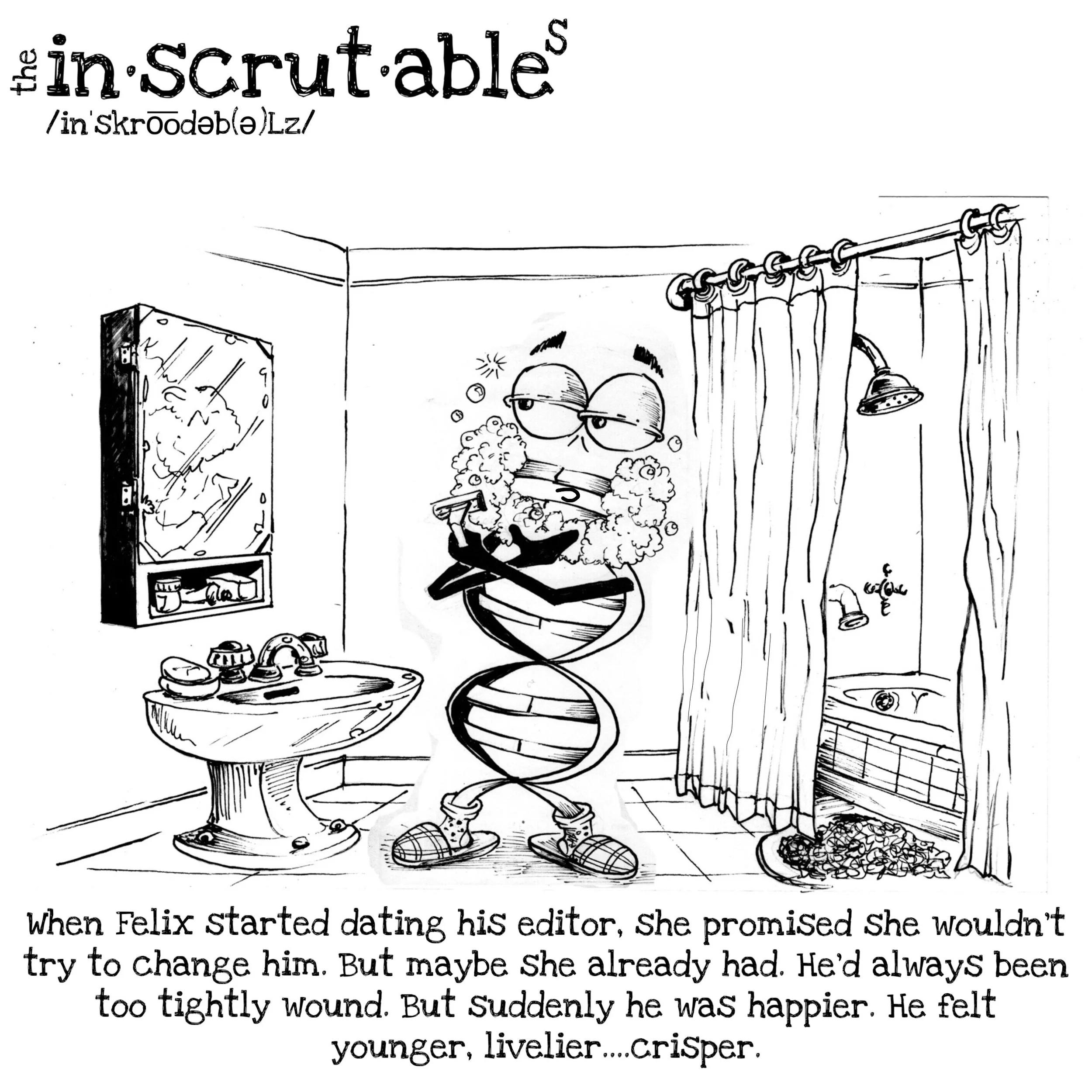
Possibly. CRISPR can also be used as a tool for genetic engineering. By delivering bacterial CRISPR sequences into cells, scientists can target specific DNA sequences and make precise changes. This has enormous implications for the treatment of genetic diseases. For example, if we can identify the mutations that cause sickle cell anemia, we can use CRISPR to edit those mutations and cure the disease. Or possibly to clone a race of super humans.
I’m not sure how to feel about this?
Join the crowd. I’m a machine-learning-driven, artificial intelligence copywriting algorithm, and even I’m a little concerned about the ethical implications. While CRISPR holds great promise for treating diseases, there are definitely issues to consider. For example, what if CRISPR is used to create “designer babies” who are born with enhanced physical or mental characteristics? There is also the possibility that CRISPR could be used to create bioweapons that could potentially wipe out entire populations. These are just some of the ethical concerns that need to be addressed as we move forward with this powerful new technology. My opinion? It could go either way.
OK, need to wrap this up, I’ve got a thing tonight. Bottom line?
CRISPR is a powerful gene editing tool that has the potential to revolutionize the way we approach diseases. While there are still some hurdles to overcome, and ethical issues to be addressed, before this technology can be widely used in humans, the future looks promising for CRISPR-based treatments.
I feel like this is only a little better than B-minus-material, to be honest, but it shows promise. In fact, it feels like maybe I’ll be the one doing your AI homework in some not-too-far-off dystopian future.
Good luck on your paper.